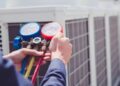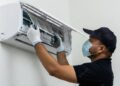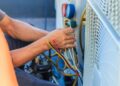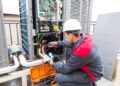

In the realm of home and business maintenance, the need for emergency HVAC services stands out as a critical aspect. This piece aims to shed light on the importance of timely interventions, the common issues that can arise, and the necessary steps to navigate through such emergencies.
As we delve into this topic, readers can expect to gain valuable insights and practical advice to ensure optimal comfort and safety in their living or working spaces.
Importance of Emergency HVAC Service
Emergency HVAC service plays a crucial role in maintaining the comfort and safety of homes or businesses, ensuring that heating, ventilation, and air conditioning systems are functioning properly at all times.
Scenarios Requiring Emergency HVAC Services
- During extreme weather conditions such as heatwaves or cold snaps, a malfunctioning HVAC system can pose serious health risks to occupants.
- In commercial settings, a breakdown in HVAC systems can lead to reduced productivity, loss of revenue, and potential damage to equipment or inventory.
- In residential properties, especially for vulnerable populations such as the elderly or young children, a lack of heating or cooling can be life-threatening.
Risks of Delaying or Neglecting Emergency HVAC Repairs
- Increased energy bills due to inefficient HVAC systems running longer to compensate for malfunctions.
- Exposure to poor indoor air quality, leading to respiratory issues and other health concerns.
- Potential damage to HVAC equipment, resulting in costly repairs or replacements.
Common HVAC Emergencies
When it comes to HVAC systems, there are certain emergencies that can arise unexpectedly, causing inconvenience and discomfort. It is crucial to be aware of these common HVAC issues that may require emergency services to address them promptly.
Complete System Failure
A complete system failure is one of the most urgent HVAC emergencies that homeowners or business owners may encounter. This can be caused by various factors such as electrical issues, thermostat malfunction, or compressor failure. Without a functioning HVAC system, the indoor temperature can become unbearable, especially during extreme weather conditions.
Gas Leaks
Gas leaks are another serious HVAC emergency that requires immediate attention due to the potential health hazards they pose. Gas leaks can be caused by a faulty furnace or gas line, which can lead to carbon monoxide poisoning if not addressed promptly.
It is essential to have carbon monoxide detectors installed and regularly maintained to detect any leaks early on.
Refrigerant Leaks
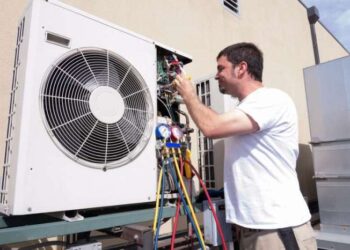
Refrigerant leaks are another common HVAC emergency that can impact the cooling efficiency of the system. These leaks can result from wear and tear, improper installation, or lack of maintenance. When refrigerant levels are low, the system may struggle to cool the space effectively, leading to increased energy consumption and potential damage to the compressor.Being proactive and attentive to warning signs can help prevent these HVAC emergencies.
Homeowners and business owners should watch out for indicators like strange noises, foul odors, inconsistent temperature control, or increased energy bills. Regular maintenance and timely repairs can help address minor issues before they escalate into major emergencies.
Steps to Take During an HVAC Emergency
During an HVAC emergency, it's crucial to act quickly and effectively to ensure the safety of your home and family. Here are some steps to follow in case of an HVAC emergency.
Step 1: Shut Off the System
- Locate the main power switch for your HVAC system and turn it off to prevent any further damage or safety hazards.
- If you smell gas or suspect a gas leak, immediately evacuate your home and call your gas company or emergency services.
Step 2: Contact HVAC Professionals
- Reach out to a licensed HVAC technician or company to assess the situation and provide necessary repairs.
- Have emergency contact numbers readily available for quick access in case of an HVAC emergency.
Step 3: Ensure Safety
- Keep all family members and pets away from the HVAC system and any affected areas to avoid potential harm.
- Open windows and doors to ventilate the area if there are any fumes or odors present.
Step 4: Stay Calm and Patient
- Remain calm and composed during an HVAC emergency to make sound decisions and effectively communicate with professionals.
- Follow any instructions provided by the HVAC technician and avoid trying to fix the issue yourself to prevent further damage.
Hiring an Emergency HVAC Service Provider
When facing an HVAC emergency, it is crucial to have a reliable service provider on call to quickly address the issue and restore comfort to your home or business. Here are some key factors to consider when hiring an emergency HVAC service provider:
Comparing Different Providers
- Response Time: Look for a provider that offers quick response times, especially during emergencies when every minute counts.
- Availability: Ensure the provider offers 24/7 emergency services to address any issues that may arise at any time of day or night.
- Pricing: Compare the pricing structures of different providers to find one that offers fair and transparent pricing for emergency services.
- Quality of Service: Research customer reviews and testimonials to gauge the quality of service provided by each HVAC company.
Importance of Choosing a Licensed and Experienced Technician
It is essential to choose a licensed and experienced HVAC technician for emergency repairs to ensure that the job is done correctly and safely. Licensed technicians have the necessary training and expertise to handle complex HVAC systems and diagnose issues accurately.
Tips for Selecting a Reliable Service Provider
- Ask for Recommendations: Seek recommendations from friends, family, or neighbors who have used emergency HVAC services in the past.
- Check Credentials: Verify that the HVAC company is licensed, insured, and certified to perform HVAC repairs.
- Get Multiple Quotes: Obtain quotes from different providers to compare pricing and services offered.
- Look for Emergency Service Contracts: Consider signing up for an emergency service contract with a provider to ensure priority service during emergencies.
Last Point
As we draw the curtains on this discussion surrounding emergency HVAC services, it becomes evident that preparedness is key in ensuring smooth operations and peace of mind. By understanding the significance of prompt responses, being vigilant about warning signs, and choosing reputable service providers, individuals can safeguard their HVAC systems effectively.
Stay informed, stay proactive, and stay comfortable – even in the face of unexpected challenges.
FAQ Corner
What are the typical signs that indicate the need for emergency HVAC service?
Unusual sounds, foul odors, inconsistent heating or cooling, and sudden spikes in energy bills can all signal potential HVAC issues that require immediate attention.
Is it necessary to have a maintenance plan in place for emergency HVAC situations?
Having a regular maintenance schedule can significantly reduce the likelihood of encountering emergency HVAC issues. It is advisable to have a plan in place to address any unexpected breakdowns promptly.
How can homeowners ensure the safety of their family during an HVAC emergency?
It is essential to educate all family members on basic safety protocols, such as locating gas shut-off valves and knowing how to turn off the HVAC system in case of emergencies. Additionally, having emergency contacts readily available can expedite the resolution process.